The increasing complexity and sensitivity of medical equipment have raised the bar for safety and reliability in power supply solutions. As a leading provider in the industry, Guangzhou Quankang Technology Co., Ltd (hereafter referred to as Quankang Technology) remains at the forefront of addressing these demands. This article explores how power supply medical OEM safety standards serve as a critical shield in protecting sensitive medical devices, drawing on the latest industry developments and Quankang Technology’s expertise.
Understanding Power Supply Medical OEM Safety Standards
Power supplies used in medical equipment must comply with stringent safety standards, such as IEC 60601-1 and its amendments. These regulations are designed to minimize risks associated with electrical hazards, electromagnetic interference, and mechanical failures. For companies like Quankang Technology, adherence to these standards is not only a regulatory requirement but also a commitment to patient safety and product reliability.
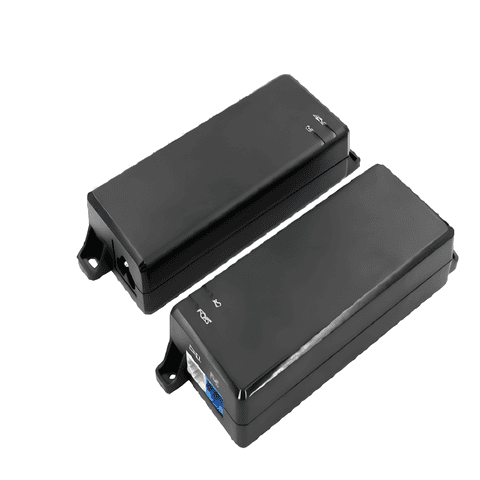
The standards cover a wide spectrum of requirements, including insulation, leakage current, dielectric strength, and protection against ingress of liquids and solids. Meeting these criteria ensures that power supplies can operate faultlessly in environments where even minor malfunctions could have life-threatening consequences.
How Safety Standards Protect Sensitive Equipment
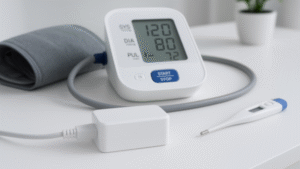
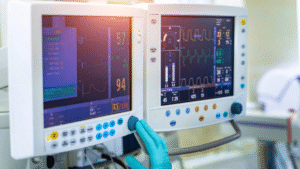
Sensitive medical devices, such as MRI machines, ventilators, and infusion pumps, demand unwavering power stability and immunity from electrical noise. The application of medical OEM safety standards in power supply design and manufacturing ensures:
- Electrical Isolation: Prevents cross-contamination between patient-connected parts and the power source, reducing the risk of electric shock.
- Reduced Electromagnetic Interference (EMI): Protects sensitive diagnostic and monitoring equipment from disruption.
- Consistent Output Voltage: Maintains device accuracy and reliability, crucial for life-supporting functions.
- Thermal Management: Prevents overheating, which can damage sensitive components or create fire hazards.
Quankang Technology’s power supplies are engineered with these priorities, ensuring that sensitive medical equipment remains protected under all operating conditions.
The Role of Quankang Technology in Advancing Medical Power Supply Safety
Quankang Technology has established itself as a global leader in the design and manufacture of medical-grade power solutions. By integrating advanced technologies such as active power factor correction and redundant safety features, the company’s products consistently exceed the baseline requirements of international standards.
Moreover, Quankang Technology invests heavily in R&D to stay ahead of evolving safety requirements. Their in-house testing facilities simulate real-world medical environments, ensuring that each power supply not only meets but surpasses OEM safety standards. This proactive approach has earned the company recognition among medical device manufacturers seeking reliable and future-proof power solutions.
Industry Trends: The Growing Importance of Safety and Compliance
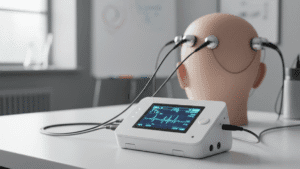
The medical device industry is witnessing rapid innovation, with new technologies like AI-driven diagnostics and wearable health monitors entering the market. These advancements increase the complexity and sensitivity of equipment, amplifying the need for robust power supply medical OEM safety standards.
Recent regulatory updates, such as the transition from IEC 60601-1 3rd edition to its latest amendment, highlight the industry’s focus on risk management and continuous improvement. Manufacturers must now address not only electrical safety but also cyber-security and environmental sustainability. Quankang Technology has responded by integrating smart monitoring and energy-efficient designs into their latest power supply models.
Keyword Focus: Power Supply Medical OEM Safety Standards & Medical Power Supply
As the demand for reliable Medical Power Supply solutions grows, the role of power supply medical OEM safety standards becomes increasingly pivotal. Quankang Technology’s adherence to these standards ensures compatibility with a wide range of medical devices and supports seamless integration into OEM manufacturing processes.
Furthermore, the company’s commitment to continuous certification and compliance audits reassures customers that their products are not only safe but also future-ready. This dedication to excellence has positioned Quankang Technology as a trusted partner for OEMs worldwide.
Challenges and Opportunities in the Medical Power Supply Market
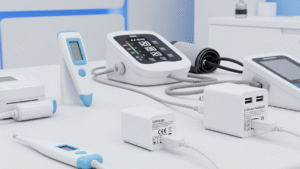
Despite the progress made, the industry faces ongoing challenges. The miniaturization of medical devices demands even more compact and efficient power supplies. At the same time, the proliferation of home healthcare devices requires power solutions that are both robust and user-friendly.
Quankang Technology is addressing these challenges by developing modular power supply platforms that can be customized for diverse applications. By leveraging digital control technologies and advanced thermal management, the company is setting new benchmarks for safety and performance in the medical sector.
Conclusion: The Path Forward for Safe and Reliable Medical Equipment
In conclusion, power supply medical OEM safety standards are essential in safeguarding sensitive medical equipment from electrical hazards, interference, and operational failures. Companies like Quankang Technology play a vital role in advancing these standards and delivering innovative solutions that protect both patients and healthcare professionals.
As the medical industry continues to evolve, the importance of rigorous safety compliance and forward-thinking design will only grow. By prioritizing safety, reliability, and adaptability, Quankang Technology is helping to shape a future where medical devices are not only more capable but also safer than ever before.
For OEMs and healthcare providers alike, partnering with a leader in medical power supply solutions is the key to ensuring that sensitive equipment remains protected—today and into the future.